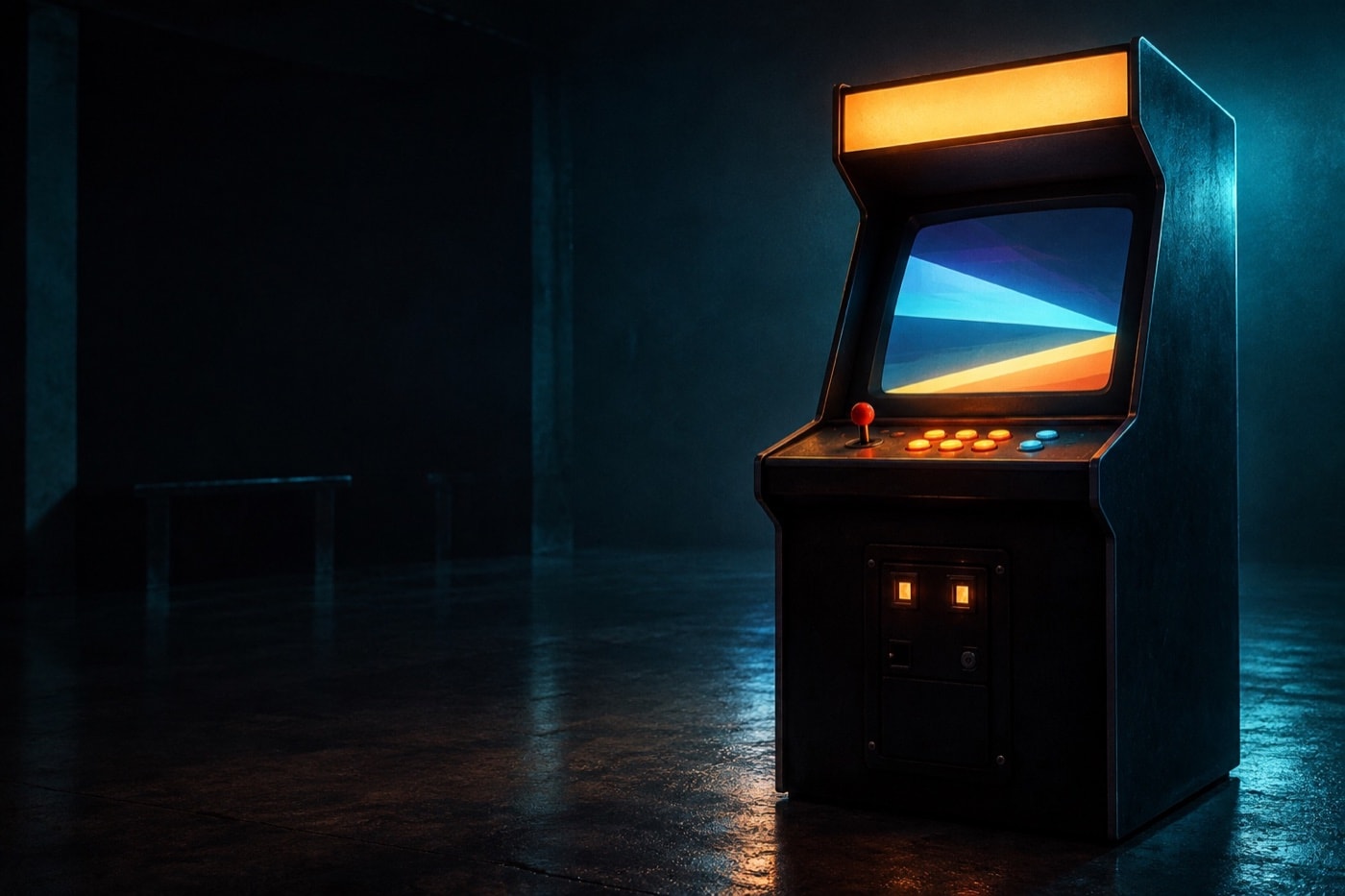
1994
The arcade original
Killer Instinct establishes two-bar bouts, automatic combo sequences, breakers, ultras and a pre-rendered visual identity.
1995
The Super NES version
The arcade design is translated for home hardware, making repeated practice and local versus play widely accessible.
1996
Sequel and Gold
Killer Instinct 2 revises the roster and stages; Killer Instinct Gold brings that sequel generation to Nintendo 64.
2006
A fan site opens
Killer Instinct Online begins as a static reference and community site during the long gap between major releases.
2013
The series returns
A new Killer Instinct is announced and launches for Xbox One. The fan site reorganizes around a new root forum.
2023
Anniversary Edition
The modern game receives a tenth-anniversary update and a consolidated Anniversary Edition.
The compact classic sequence
The original era moved quickly: the 1994 arcade game, a 1995 Super NES version, the 1996 arcade sequel and Killer Instinct Gold that same year. Those releases established nearly every term that carried through fan conversation—combo breakers, ultra combos, the two-bar structure, the announcer’s emphatic feedback and a roster built from extreme visual contrast.
Because the releases were close together, each version is best understood relationally. The home games are not merely lesser cabinets; they change the context from public, coin-operated play to repeatable local sessions. The sequel is not merely a larger first game; it changes the cast and therefore the map of matchup knowledge.
The quiet period was active for fans
A gap in major releases did not mean a gap in discussion. By 2006, an online community connected local sessions, cabinet interest, news and general talk while organizing knowledge about games, characters, combos, sound and visual design.
From 2008 through 2010, the fan news log treated references, interviews and small cultural echoes as signals worth discussing. That pattern is typical of a dormant-series community: when official news is scarce, shared attention keeps the subject coherent.
The 2013 return and a new community focus
The June 2013 announcement forced an immediate change in scale and focus. Years of speculation gave way to discussion of an actual game, and the community reorganized around new characters, systems, matches and release news.
The modern title launched on November 22, 2013, and developed through additional fighters, balance work and platform support. The 2013 game reference provides a broader release and development overview. Our news timeline focuses on how the fan community experienced the change.
Why the record stops being a forum
The old community quieted around 2019. The chronology covers the public community without user content, private profiles or an imitation message board.
Continue to the community record for its board structure, or return to the 1994 arcade game for the design that started the sequence.
Continuity through vocabulary
The longest line through the series is not a platform or art technique. It is a vocabulary understood by players: combo breaker, ultra, opener, linker and ender. Hardware changes, visual fidelity changes and rosters expand, but those terms keep the conversation connected.
That continuity explains why the 2013 return could feel both new and recognizable. A modern service structure and revised systems did not need to reproduce the 1994 cabinet exactly. They needed to make the inherited language meaningful again for a different competitive environment.
The community followed a similar pattern. Its focus changed completely in 2013, yet the subjects remained connected: classic systems, new matchups, character identity and competitive play. The conversation changed scale without losing its inherited vocabulary.