Release1995
PlatformSuper NES
PlayersOne or two
Source1994 arcade design
Translation, not miniature duplication
Moving an arcade showcase to a 16-bit cartridge required choices. The home version could not reproduce every frame, background effect or sound with the same density. It instead preserved the recognizable priorities: strong silhouettes, the two-bar match, special attacks, combo construction, combo breakers and the dramatic escalation toward finishers.
This is the useful way to compare ports. A frame-by-frame inventory tells you what changed, but a design comparison asks which signals survived. In Killer Instinct, the answer includes the announcer’s structural role, visible hit counts, distinctive fighter poses and the basic grammar that turns an opening hit into a longer chain.
The controller changes the lesson
On a home pad, players could repeat inputs without the cost and interruption of an arcade queue. Shoulder buttons and face buttons created a different physical map from a six-button cabinet panel. That map could feel less direct at first, but it also became familiar through long practice sessions.
Training at home changed the social pattern around the game. Knowledge could be developed privately, tested against a sibling or friend, and then carried back into a larger group. The long-session setup guide offers practical ways to keep those repeated inputs from becoming an unnecessarily tense grip.
Visual compromise with a clear target
Pre-rendered source art still informed the characters, but smaller sprites and simplified animation had to work within home-system limits. Background motion was translated with two-dimensional techniques. Voice and music were reduced in detail. The result is best judged as its own production: a version that aims to keep identity and timing legible on common televisions.
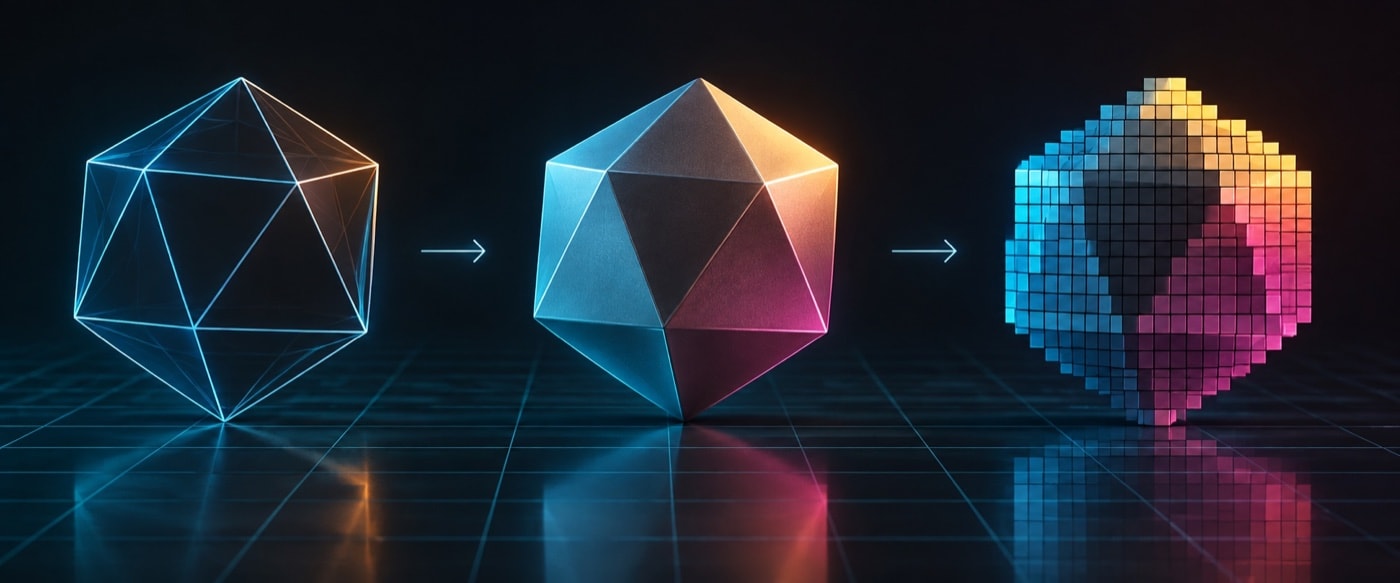
Explore how rendered models become frame-based graphics for the wider visual principle, or compare this release with the arcade original.
A durable local-versus game
The home version’s value was not only approximation. It made the matchup loop available on demand. Two players could change characters, test an answer and immediately replay the situation. That repetition supported the shared vocabulary that later appeared in fan guides and community discussion. The game became both a version of the arcade title and a practical classroom for its systems.
Practice changes when access changes
Arcade practice is shaped by turns, coins and public attention. Home practice can be paused, repeated and isolated. That difference affects what players learn. A difficult directional motion can be rehearsed without surrendering the cabinet. A matchup can be replayed immediately with the same opponent. A player can test whether an apparent rule is consistent rather than relying on one remembered exchange.
The risk is that repetition becomes detached from context. Performing a sequence against no resistance is only the first layer. The useful next step is confirming it after movement, after a blocked approach or under the pressure of another person’s timing.
Local play as a knowledge engine
Two-player home sessions turn mistakes into conversation. One person can explain what they recognized, then reproduce the situation. That rapid loop helps terminology spread: opener, linker, ender and breaker become shared labels for moments both players just saw. The console version’s long influence comes as much from that accessibility as from its technical resemblance to the cabinet.
Display conditions matter too. Home televisions softened edges, varied in color and introduced viewing distances unlike a cabinet. Strong poses and high-contrast effects had to survive that inconsistency. The version’s art succeeds when the important action remains clear without depending on the exact monitor used by its designers.
For modern readers, those variations are evidence of adaptation rather than flaws to erase. They show what the team considered essential when memory, color, sound and animation had to be budgeted carefully.